Count the Walks: A Low-Cost Test for a Faster Kitchen Line
Mapping repeated trips can uncover wasted motion, but layout changes should improve complete tickets rather than simply make one station faster.
By Tom Brennan, Senior Writer · · 6 min read
This is practical analysis. Examples are illustrative composites, not reports on specific restaurants.
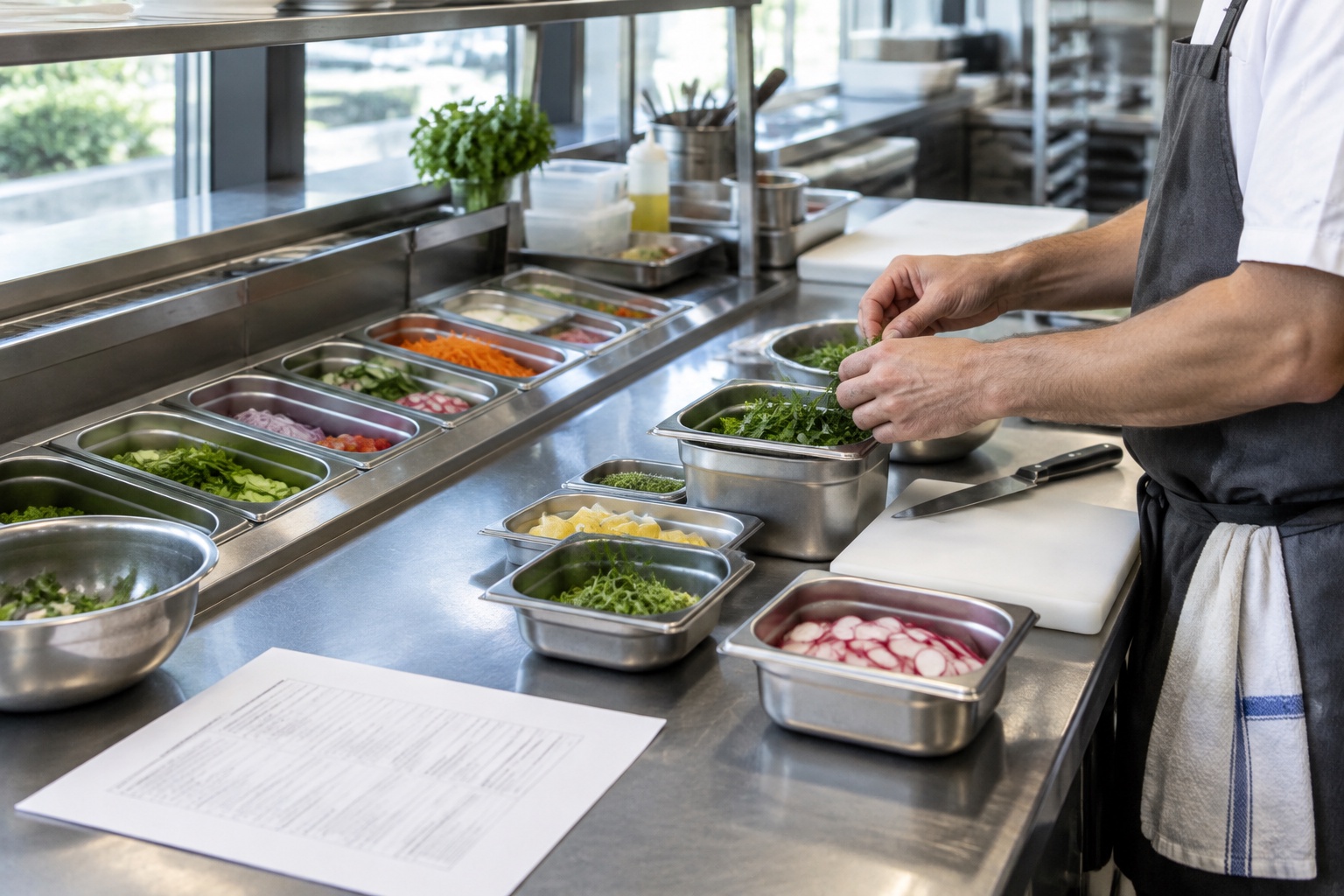
The busiest cook is not always working at the busiest station. Sometimes that employee is walking to a shared refrigerator, crossing behind another cook for plates and returning for a sauce stored two stations away. Before buying equipment or adding labor, map those repeated trips. In an illustrative casual-dining kitchen, a modest relocation of approved supplies may save handling without changing the floor plan. The test is whether complete tickets move more reliably, not whether a manager can draw a shorter line on paper.
Observe a real rush before redesigning it
Choose a representative service rather than an unusually quiet afternoon. Record the menu mix, order volume, staffing and any unusual events so the results have context. Observe without obstructing the crew or filming employees without appropriate permission. A simple tally sheet can capture trips for ingredients, utensils, plates and packaging. Include prep replenishment and dish returns; the movement that interrupts a cook may originate outside the station. Ask employees where they lose time, then compare those answers with what actually happens.
Count journeys and identify their purpose before estimating steps. Suppose a cook makes 24 trips to a shared cold-storage point during an hour, and each round trip measures roughly 18 feet. That is 432 feet of travel for one task category. It is not automatically recoverable labor. Some trips may coincide with another necessary action, and moving the product could add replenishment work elsewhere. Treat the measurement as a clue about repeated handling, not a promise that the restaurant can remove a scheduled position.
Measure complete-ticket performance alongside movement. Track a consistent starting and ending point, such as order release to the point all items are ready for handoff. Separate dine-in and off-premise orders if their workflows differ. Note the slowest component and the number of tickets waiting for it. A shorter walk at sauté has limited value if fried sides or packaging determine every departure. The observation should reveal how stations interact, including when one employee waits because a shared landing space is occupied.
Test storage changes before moving equipment
Begin with reversible changes that respect food safety and equipment limits. Relocating frequently used utensils or creating a clearly labeled backup-supply location may be enough. Moving refrigerated ingredients requires approved temperature control, suitable containers, allergen management and an appropriate replenishment plan. Do not turn a convenient shelf into an unsafe holding area. Ask the team to identify the smallest workable quantity at the station; stocking the entire shift within reach can trade walking time for clutter, waste and blocked work surfaces.
Run one change at a time. For example, place an approved chilled garnish setup closer to the finishing position, then observe comparable services before making the arrangement permanent. Record how often the station needs replenishment and who performs it. If a cook avoids ten trips but a prep employee makes twelve new ones, the kitchen has moved work rather than reduced it. Evaluate setup and breakdown too, because a faster dinner rush may still create an expensive opening or closing routine.
Use conservative arithmetic when explaining the result. If a change eliminates 20 trips averaging eight seconds each, the observed reduction is 160 seconds of travel during that measurement period. It does not prove that ticket times fall by the same amount or that payroll decreases. Some saved motion becomes breathing room, better checking or less congestion. Those can be worthwhile outcomes. Report them honestly, and look for repeated improvements across comparable periods before assigning a financial return to the change.
- Count repeated trips by purpose and station.
- Record complete-ticket times and the slowest component.
- Check temperature control, allergens and replenishment needs.
- Test one reversible change at a time.
- Include setup, breakdown and work transferred to other employees.
Protect the aisle and the handoff
Keep safety and access outside the bargain. A cart that saves steps but narrows a required exit route is not an improvement. Equipment relocation can affect utilities, fire protection, ventilation and accessibility, so involve qualified professionals and obtain required approvals before changing fixed installations. Even a movable rack can create blind corners or conflict with hot-pan traffic. Walk the proposed setup with the people who carry stock, remove waste and retrieve dishes, not just the cooks who will use the new position.
Pay special attention to expo. Kitchens often accelerate cooking only to accumulate finished food where plates, bags and delivery pickups compete for the same surface. Mark separate spaces for unfinished checks, completed orders and problem orders when space permits. Define who verifies modifiers, adds cold components and authorizes release. A clear handoff can matter more than another foot of counter. Test the arrangement with the restaurant’s actual packaging, because a station that fits dinner plates may not fit several large takeout bags.
After a week of testing, compare similar services and ask the crew what became harder. Retain changes that improve flow without increasing errors, unsafe shortcuts or excessive replenishment. Document the new station setup with a simple diagram and a short opening checklist. Recheck it after major menu changes, since ingredient demand determines useful placement. The strongest layout is not necessarily the one with the fewest measured steps. It is the one that produces accurate, safe, complete orders with less avoidable movement and less interference between workers.
Operator checklist
- Observe a representative rush and document staffing and menu mix.
- Measure repeated trips as well as complete-ticket performance.
- Test reversible storage changes before relocating fixed equipment.
- Check whether work shifts to another employee or daypart.
- Preserve safe access and verify the expo handoff.
Spot an error? Request a correction. Read our editorial standards.
More from Foodservice Journal
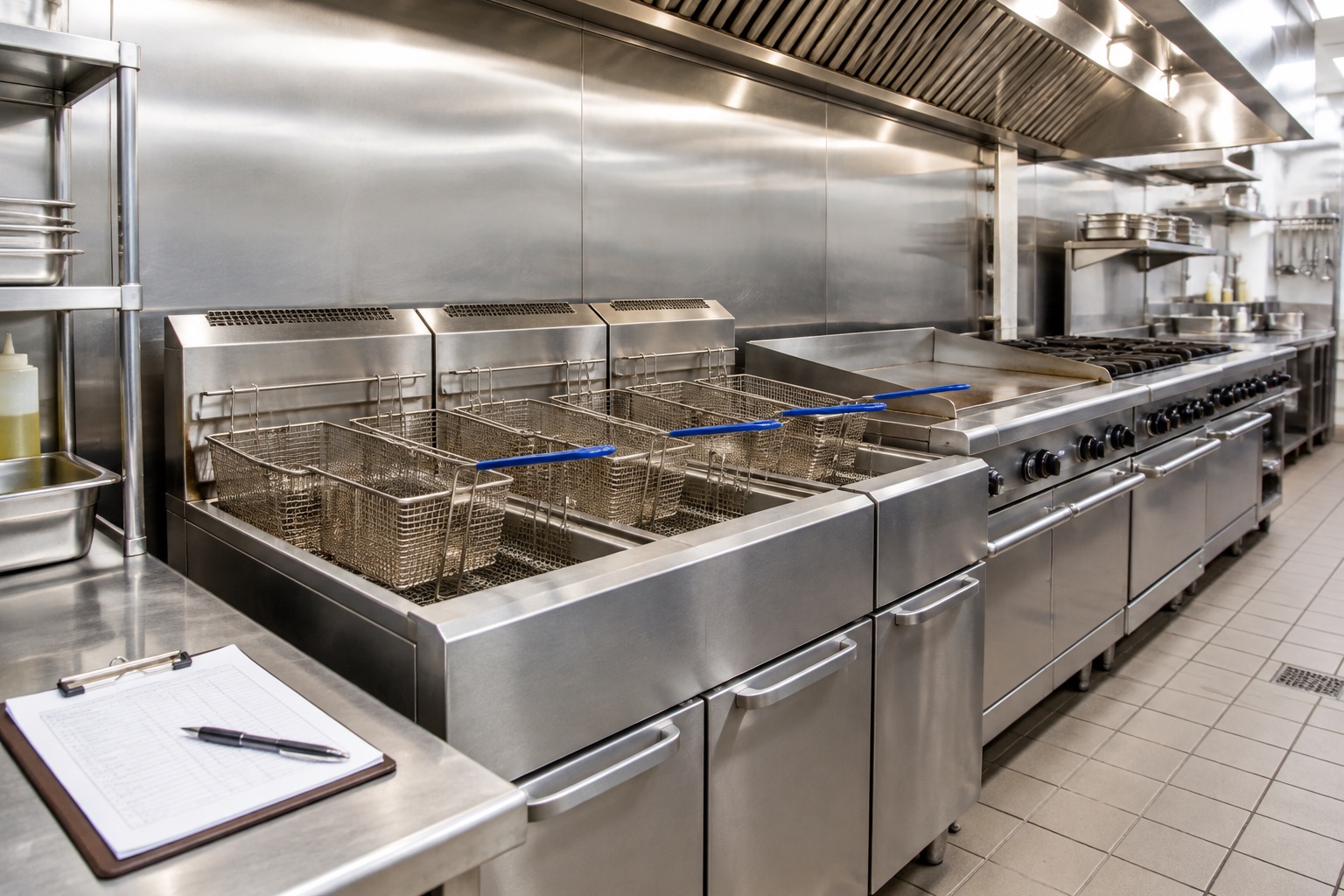
Repair or Replace That Fryer? Price the Next Year, Not Just the Service Call
A useful equipment decision weighs installed cost, likely downtime and usable capacity against the price of keeping an aging fryer running.
Kitchen & Equipment · Tom Brennan · November 17, 2026
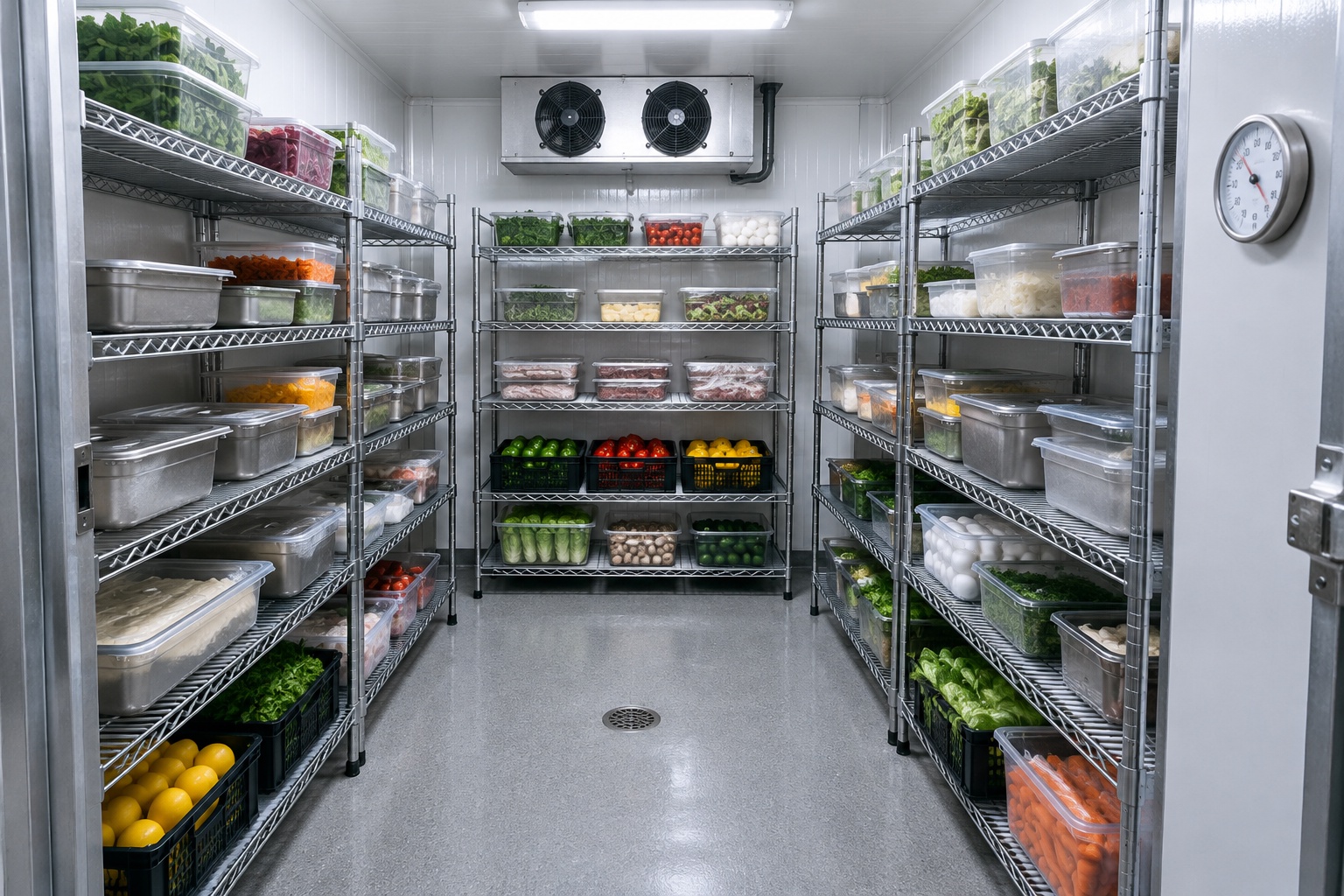
Give the Walk-In a Maintenance Schedule Before It Gives You an Emergency
A practical cooler program separates daily operating checks from qualified service work and gives every exception an owner.
Kitchen & Equipment · Tom Brennan · October 21, 2026
A Shorter Menu Only Pays When the Prep List Shrinks
Cutting dishes can simplify service, but the larger savings come from eliminating ingredients, prep tasks and purchasing exceptions.
Restaurant Trends · Grace Whitfield · November 24, 2026