Value Bundles Need a Contribution Floor, Not Just a Low Price
An attractive meal price can protect traffic, but operators need to account for trade-down, packaging and peak-hour capacity before promoting it.
By Grace Whitfield, Staff Writer · · 6 min read
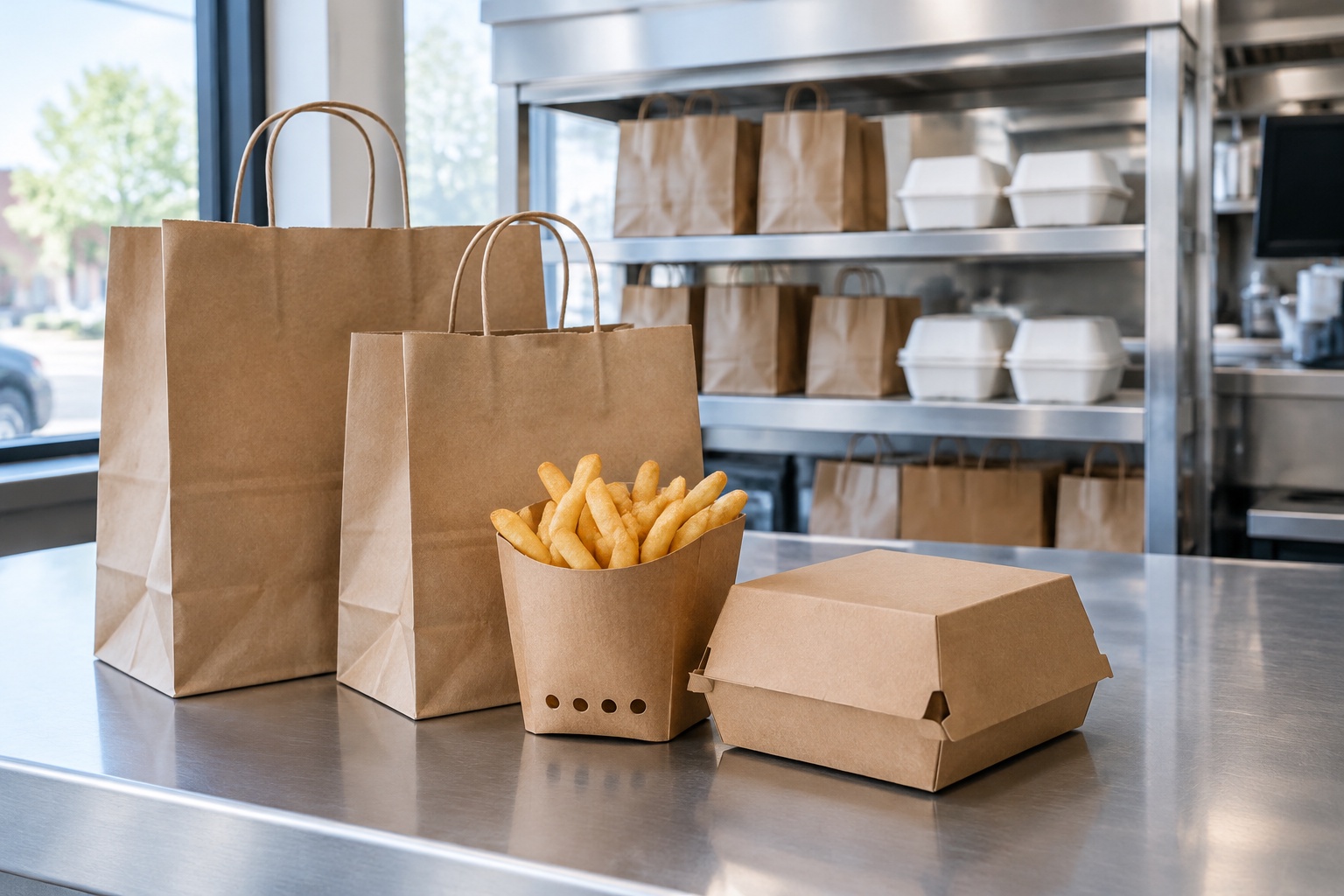
This is practical analysis. Examples are illustrative composites, not reports on specific restaurants.
A bundle can give guests an easy answer to a difficult question: what will lunch actually cost? That clarity has value even when the discount is modest. For the restaurant, however, a low advertised price is only the beginning of the calculation. The offer must produce enough contribution to justify its ingredients, packaging, transaction costs and demands on the kitchen. It also needs to attract purchases the restaurant would not otherwise receive, rather than simply discounting meals that regular customers were already prepared to buy.
Start by defining the business problem. A restaurant with empty seats at 2 p.m. faces a different decision from one with a full grill and a long noon queue. The first may benefit from incremental orders that contribute toward fixed expenses. The second risks replacing higher-contribution sales with discounted meals while increasing pressure on its bottleneck. An illustrative sandwich shop should therefore write separate objectives for an afternoon bundle and a lunch promotion, even if both use the same sandwich, side and drink.
Calculate the bundle, then the substitution
Suppose a composite restaurant offers a $12 meal with $3.60 in ingredients, $0.65 in packaging and $0.35 in transaction costs. That leaves $7.40 before labor, occupancy and other expenses, assuming no additional channel fees. The figure is not profit. It is a starting contribution calculation that should use the restaurant’s actual costs and exclude sales tax collected for the government. Dine-in and takeout versions may have different packaging costs, while third-party orders may require a separate calculation because their fee structures differ.
Now compare the offer with the purchase it replaces. If a guest would otherwise buy a meal generating $10 in comparable contribution, the bundle reduces contribution by $2.60 for that transaction. If another guest would otherwise buy nothing, the bundle adds $7.40 before any incremental labor or other costs. In this simplified example, ten trade-down transactions lose $26, requiring four truly incremental bundle purchases to more than offset that amount. The exact relationship changes with the menu and channel, but the substitution question does not disappear.
- Establish a minimum contribution amount for each bundle.
- Cost every included component at its specified portion.
- Separate dine-in, direct takeout and marketplace economics.
- Estimate how many existing purchases may trade down.
- Identify the station and daypart that must handle extra volume.
Make the offer easy to execute
Bundle design should reduce decisions without creating a second kitchen system. Limit choices to components the line can prepare consistently, and specify which substitutions carry an upcharge. An unrestricted choice of premium proteins, large sides and specialty beverages can turn one advertised price into several different cost structures. Put the allowed combinations into the POS rather than relying on employees to remember exceptions. Test the ordering language with a cashier: if explaining the offer takes longer than entering a regular meal, the supposed simplicity needs more work.
Portion control matters more when the price has little room for error. Use the same recipe weights and serving tools across shifts, then verify actual usage against sales. A bundle with a small side should look intentionally sized, not like an inconsistent version of the standard product. Packaging should fit the food and travel well without unnecessary extra pieces. Include sauces and condiments in the cost model, and make sure promotional photography or descriptions accurately show what the guest receives for the advertised price.
Set boundaries around timing and availability before publishing the offer. A weekday afternoon deal may be operationally sensible, but restrictions should be clear before guests enter payment. Avoid a headline price that requires unexpected fees or an easily missed membership condition. If the offer is limited to a direct channel, confirm that staff can explain that distinction without blaming a marketplace. Review applicable pricing and promotional requirements. The practical goal is a price customers can understand and employees can honor without repeated manager intervention.
Measure contribution per period, not bundle popularity
A busy promotion report can conceal a weak result. Compare total transactions, total contribution and labor hours for the targeted daypart with a relevant baseline. Note weather, local events, closures and other factors that make simple week-over-week comparisons unreliable. Track the share of existing customers choosing the bundle, using available loyalty or transaction data carefully rather than assuming every redemption is incremental. Also inspect full-price category sales: a decline there may reveal trade-down that is not obvious when managers focus on the promotion count.
Capacity is part of the economics. If the bundle adds fryer demand at the same moment that higher-contribution orders need the fryer, the opportunity cost may exceed the visible ingredient savings. Observe ticket times and abandoned queues during the test, and ask employees which component slows assembly. A different side or a narrower time window may preserve the guest value while relieving the constraint. Do not solve a poorly designed offer by permanently adding labor unless the resulting contribution can support those additional paid hours.
Give the test an end date and a decision rule. The operator might continue only if total daypart contribution improves without unacceptable ticket-time or service problems. That standard is more useful than a redemption target alone. A successful bundle does not have to be the lowest-priced meal in the neighborhood; it needs to feel complete, predictable and worthwhile to the intended guest. For the restaurant, it must also leave enough money and capacity to serve the next order well. Value works only when both sides can keep choosing it.
Operator checklist
- Define the target occasion and the problem the bundle should solve.
- Calculate contribution by channel, including packaging and fees.
- Model trade-down as well as genuinely incremental purchases.
- Configure portions, substitutions and restrictions before launch.
- Set a test end date and evaluate total daypart contribution.
Spot an error? Request a correction. Read our editorial standards.
More from Foodservice Journal
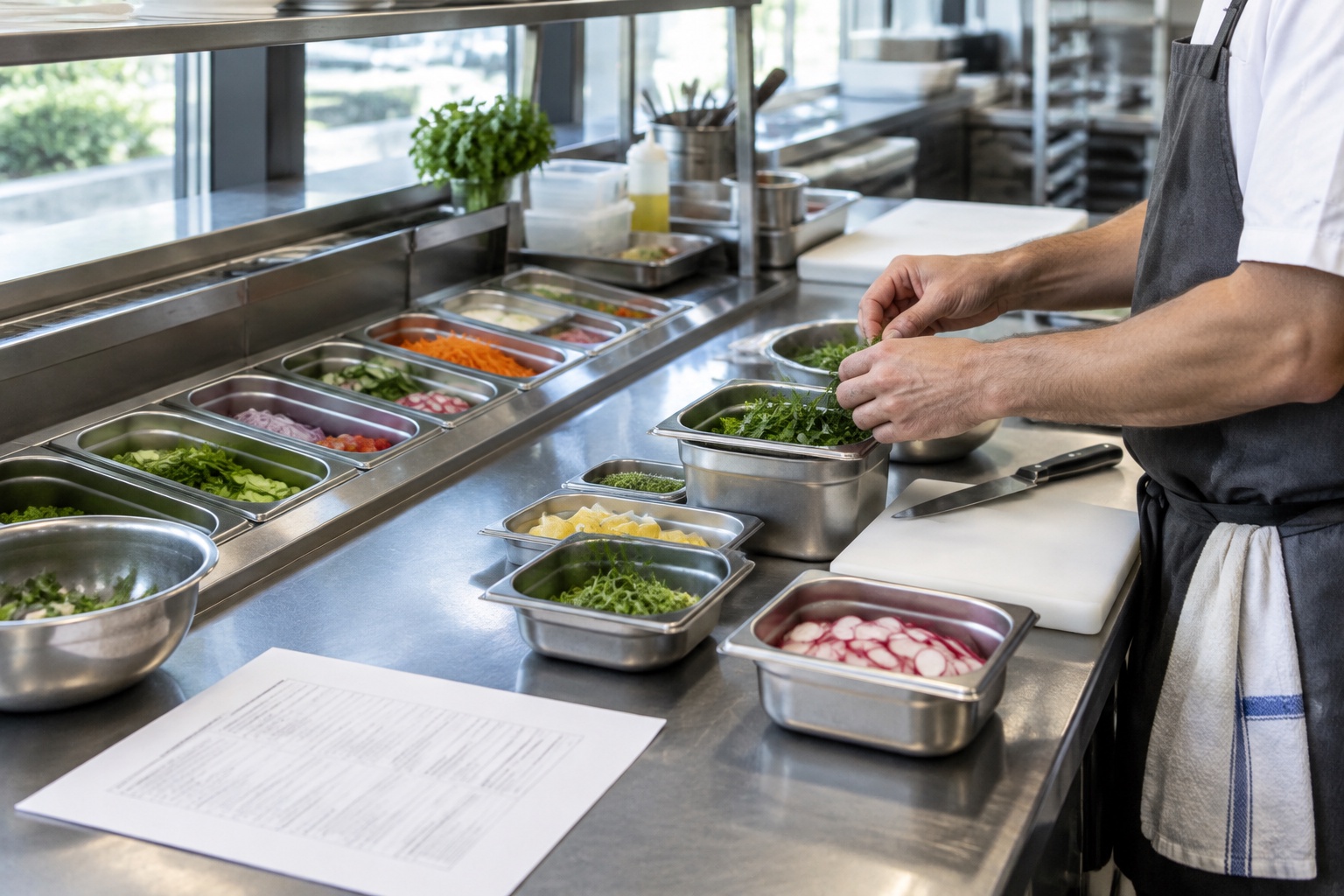
A Shorter Menu Only Pays When the Prep List Shrinks
Cutting dishes can simplify service, but the larger savings come from eliminating ingredients, prep tasks and purchasing exceptions.
Restaurant Trends · Grace Whitfield · November 24, 2026
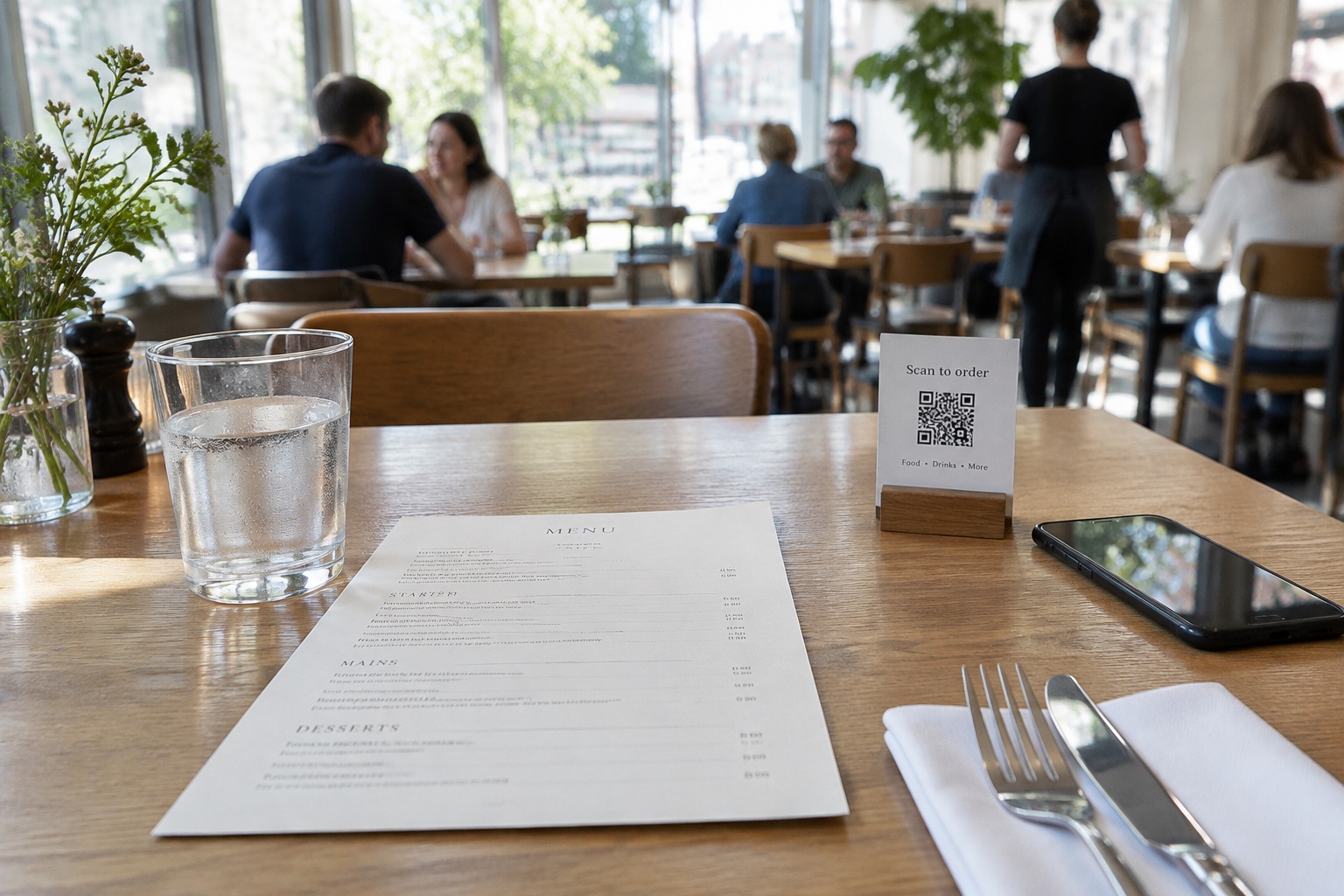
Counter Service in a Full-Service Room Needs a New Labor Plan
Moving orders to a register changes the guest journey, but savings depend on redesigning food running, clearing and peak-hour coverage.
Restaurant Trends · Catherine Hale · November 3, 2026
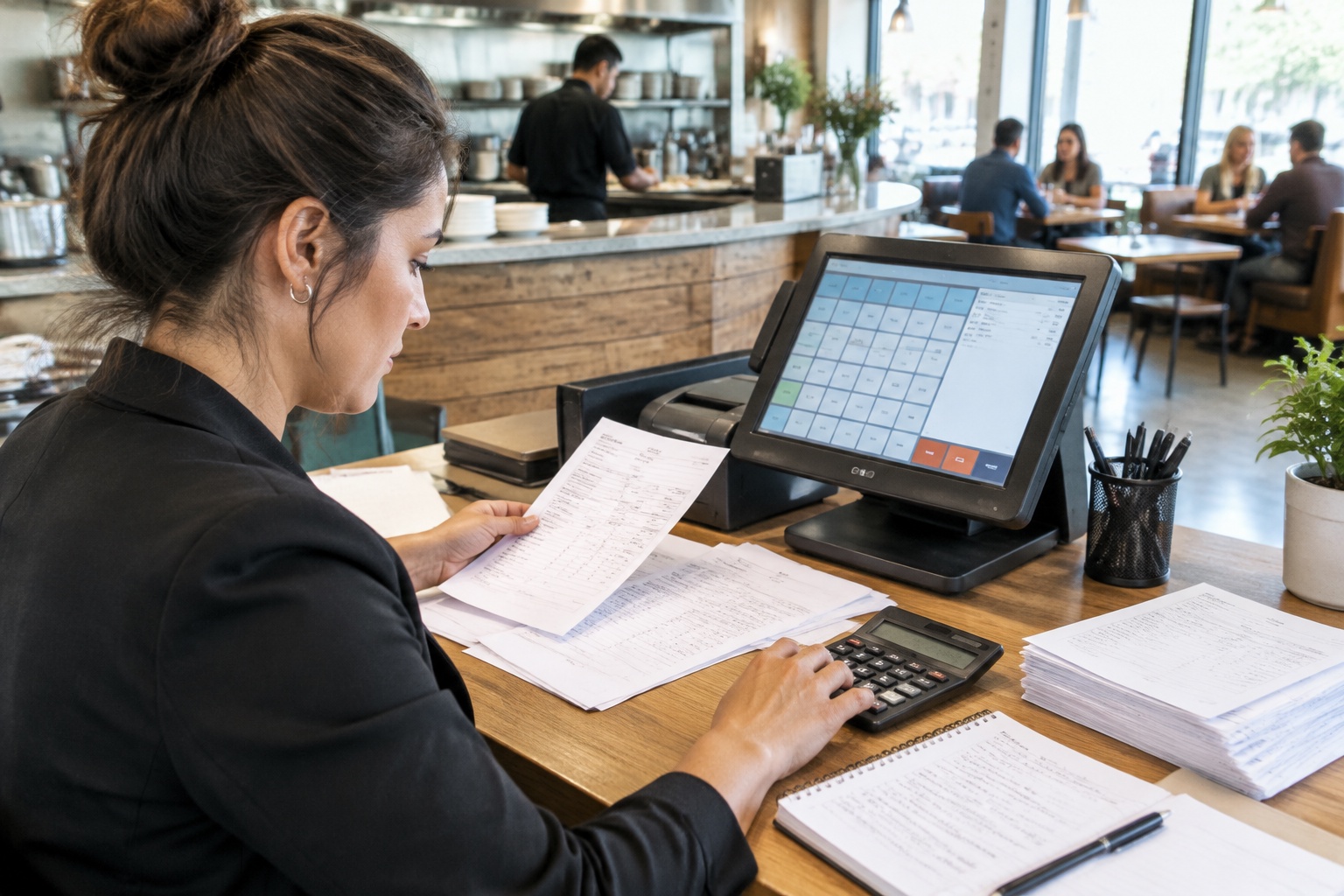
Your Next Hourly Hire Costs More Than the Job Ad
A position-by-position replacement ledger separates recruiting expenses from the training and coverage costs that quietly consume margin.
Staffing · Alicia Moreno · November 20, 2026