Counter Service in a Full-Service Room Needs a New Labor Plan
Moving orders to a register changes the guest journey, but savings depend on redesigning food running, clearing and peak-hour coverage.
By Catherine Hale, Editor · · 6 min read
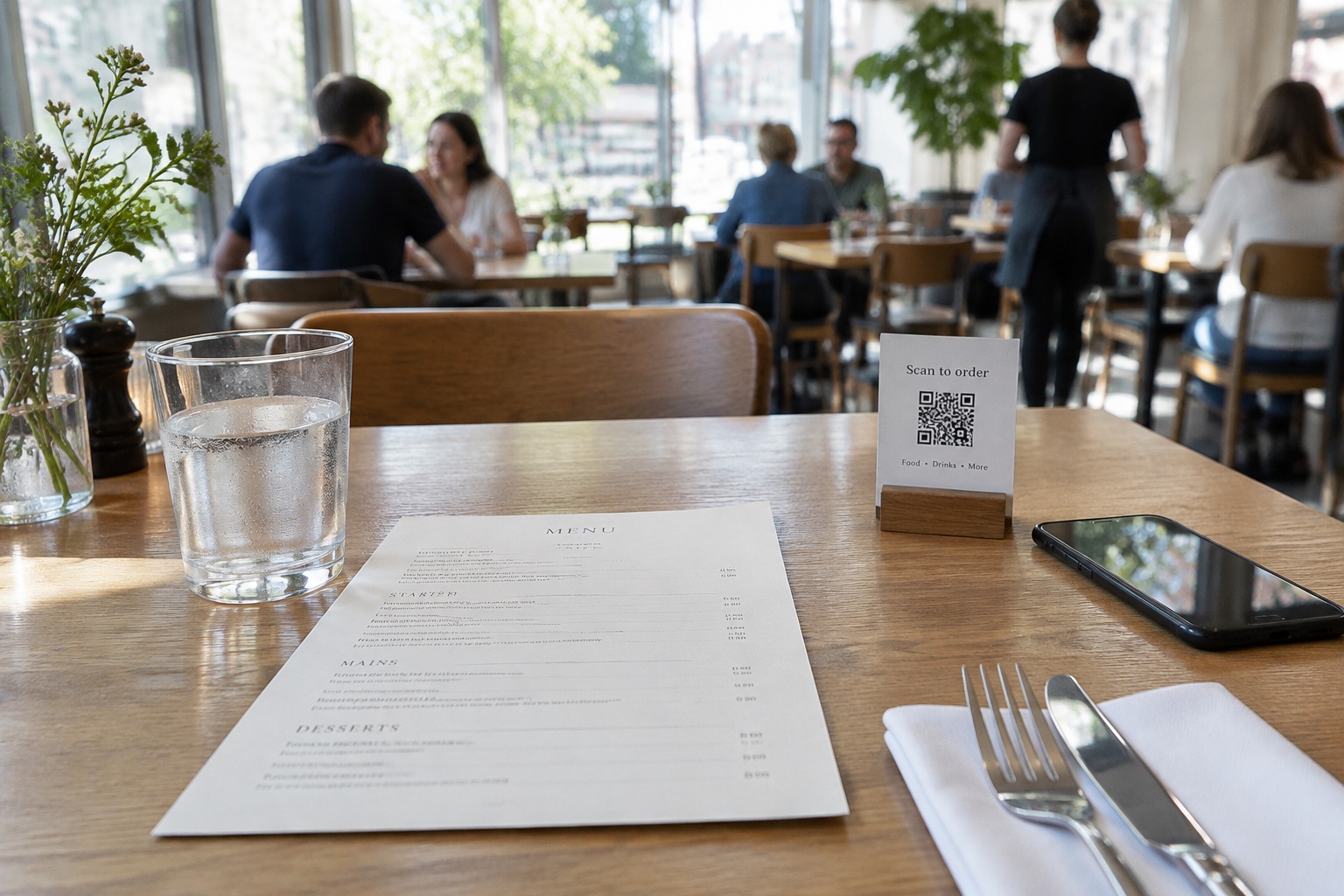
This is practical analysis. Examples are illustrative composites, not reports on specific restaurants.
Putting a register near the front door does not convert a full-service restaurant into an efficient counter-service business. Guests still need clean tables, delivered food, water, condiments and help when something goes wrong. If those responsibilities are left undefined, a smaller service team can spend the shift improvising while a line forms at the entrance. For an operator considering the change, the key question is not how many servers can leave the schedule. It is which tasks disappear, which move and which become more concentrated.
Consider an illustrative 70-seat restaurant considering counter ordering at lunch while retaining table service at dinner. The owner expects to remove two lunch server shifts. But someone must now explain the format, handle the register, run food and clear tables. A revised plan assigns one cashier, one runner and a shared dining-room support position, with a manager covering the first rush. The labor difference is smaller than initially expected. It may still be worthwhile, particularly if ordering becomes faster, but the case needs to rest on the revised schedule.
Design the route before changing the roster
Walk the guest journey from the sidewalk to departure. A first-time customer should understand where to order, whether to sit first, how food arrives and what to do with dishes. Use short, specific signs at decision points rather than a large instruction board after the guest has already joined the wrong line. Test the layout with people unfamiliar with the restaurant. If they repeatedly hesitate at the same doorway or counter corner, the problem is probably the system rather than their willingness to follow directions.
Queue space is productive space, but it competes with seats and circulation. Map a realistic peak line without blocking the entrance, accessible routes, restrooms or food runners. Review applicable accessibility and occupancy requirements before moving fixtures. A register that handles an average order quickly may still struggle with families, split payments or menu questions. Provide a way for guests who need assistance to order without feeling rushed. The manager should know when to open another ordering position and which employee can staff it.
- Define where guests order and when they choose a table.
- Assign food running, clearing and guest assistance by position.
- Protect accessible routes and a workable queue area.
- Specify how refills, additional orders and payment corrections work.
- Create a recovery plan for missing or misdelivered food.
Price the service model honestly
Build the labor comparison from paid hours by role, including opening, closing and cleaning. In an illustrative calculation, removing 12 server hours at $12 in direct hourly wages saves $144 before payroll-related costs. Adding eight support hours at $18 costs the same $144 on that limited wage comparison. Actual rates, tip rules and payroll obligations vary, so this is not a staffing prescription. It illustrates why counting positions instead of hours and wage rates can exaggerate the financial benefit of the change.
Guest spending can change as well. A single counter transaction may reduce spontaneous second drinks, desserts or add-on items unless the restaurant creates a convenient second-order path. That does not mean employees should pressure guests at checkout. It means the operating plan should specify whether a runner can take another order, whether guests return to the counter and how a tab is handled. Compare contribution dollars per occupied seat-hour alongside average check. Faster turns may help, but only if demand exists to fill the released tables.
Be explicit about tipping and service charges before launch. Review applicable wage, tip-pooling and disclosure rules with qualified advisers, then make the guest-facing language consistent across signs, receipts and ordering screens. Do not assume employees will earn the same amount under a new format or that customers will interpret the payment prompt as intended. Explain compensation changes to the team before announcing the concept publicly. A service redesign that depends on uncertain employee earnings can create turnover just as the operation needs experienced staff to teach guests.
Pilot one daypart, not the whole identity
A daypart pilot allows the operator to test the mechanics without rewriting every service period. Use the same core setup for each trial so that results reflect the model rather than daily improvisation. Track queue time, order accuracy, food-delivery time, uncleared tables and labor hours. Record how often employees leave assigned positions to solve preventable problems. Separate opening-week questions from persistent confusion, but do not dismiss repeated requests for assistance as mere resistance to change. They may reveal a gap in the format.
Give employees practical service standards rather than a vague instruction to be hospitable. Define who notices a guest carrying a tray while managing a mobility aid, who checks a table with a missing entree and who handles a disputed payment. The service model can remain counter-based while offering assistance where it is needed. Managers should also watch the room after the queue clears. Labor may need to shift from ordering to clearing as the rush progresses, and a fixed position chart can miss that change.
The strongest reason to adopt counter service is that the format fits the menu, building, customer occasion and staffing plan. It should not be a promise that hospitality can be removed from the cost structure. Some tasks become simpler; others become more visible and more time-sensitive. At the end of the pilot, compare actual labor, contribution and guest feedback with the original plan. Keep the model only if the room works better as a whole, not merely because fewer people are carrying order pads.
Operator checklist
- Map the guest route and test it with first-time visitors.
- Rebuild the schedule by task, paid hours and wage rate.
- Define second-order, refill and service-recovery procedures.
- Review accessibility, compensation and tipping requirements.
- Pilot one daypart and measure queues, clearing and contribution.
Spot an error? Request a correction. Read our editorial standards.
More from Foodservice Journal
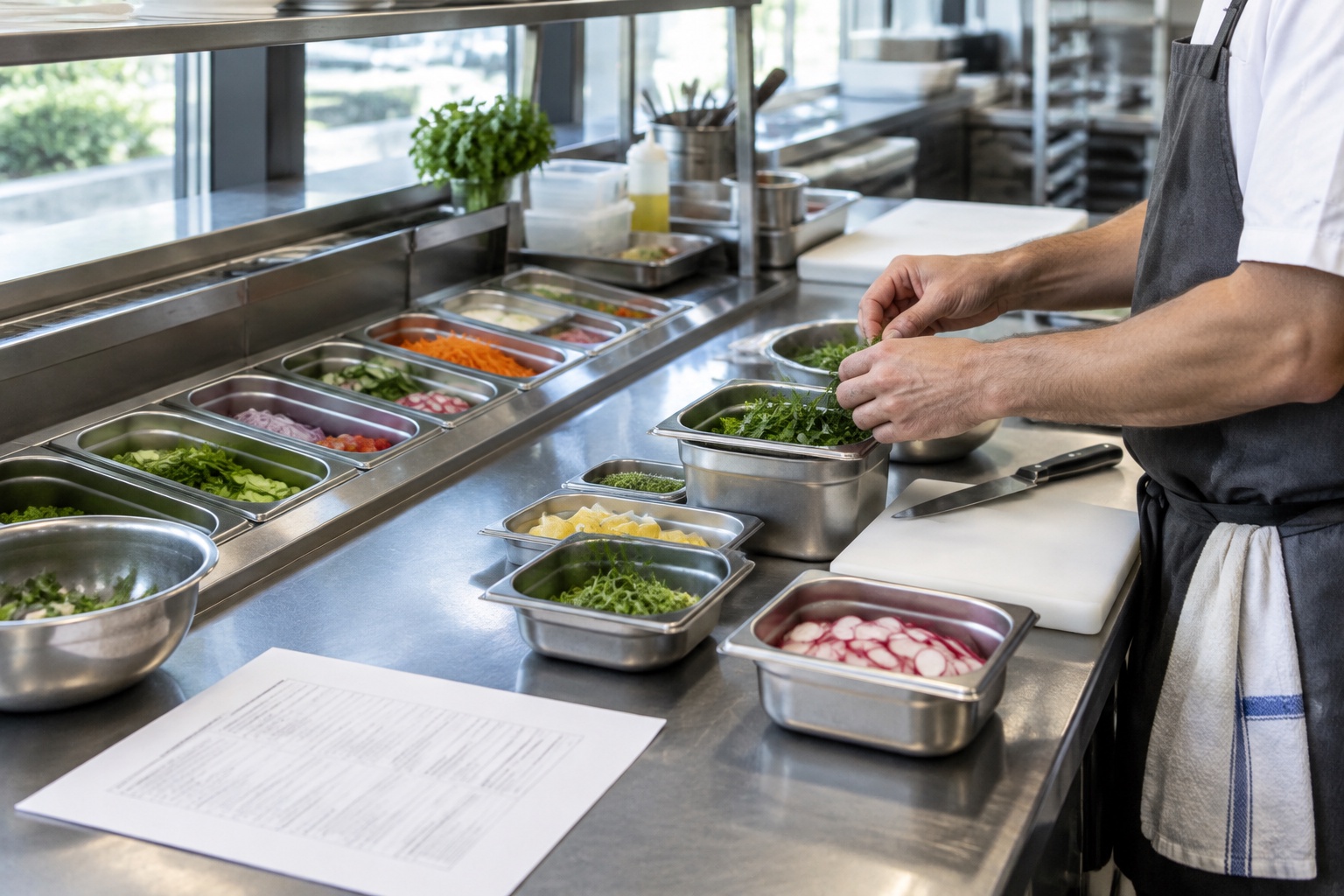
A Shorter Menu Only Pays When the Prep List Shrinks
Cutting dishes can simplify service, but the larger savings come from eliminating ingredients, prep tasks and purchasing exceptions.
Restaurant Trends · Grace Whitfield · November 24, 2026
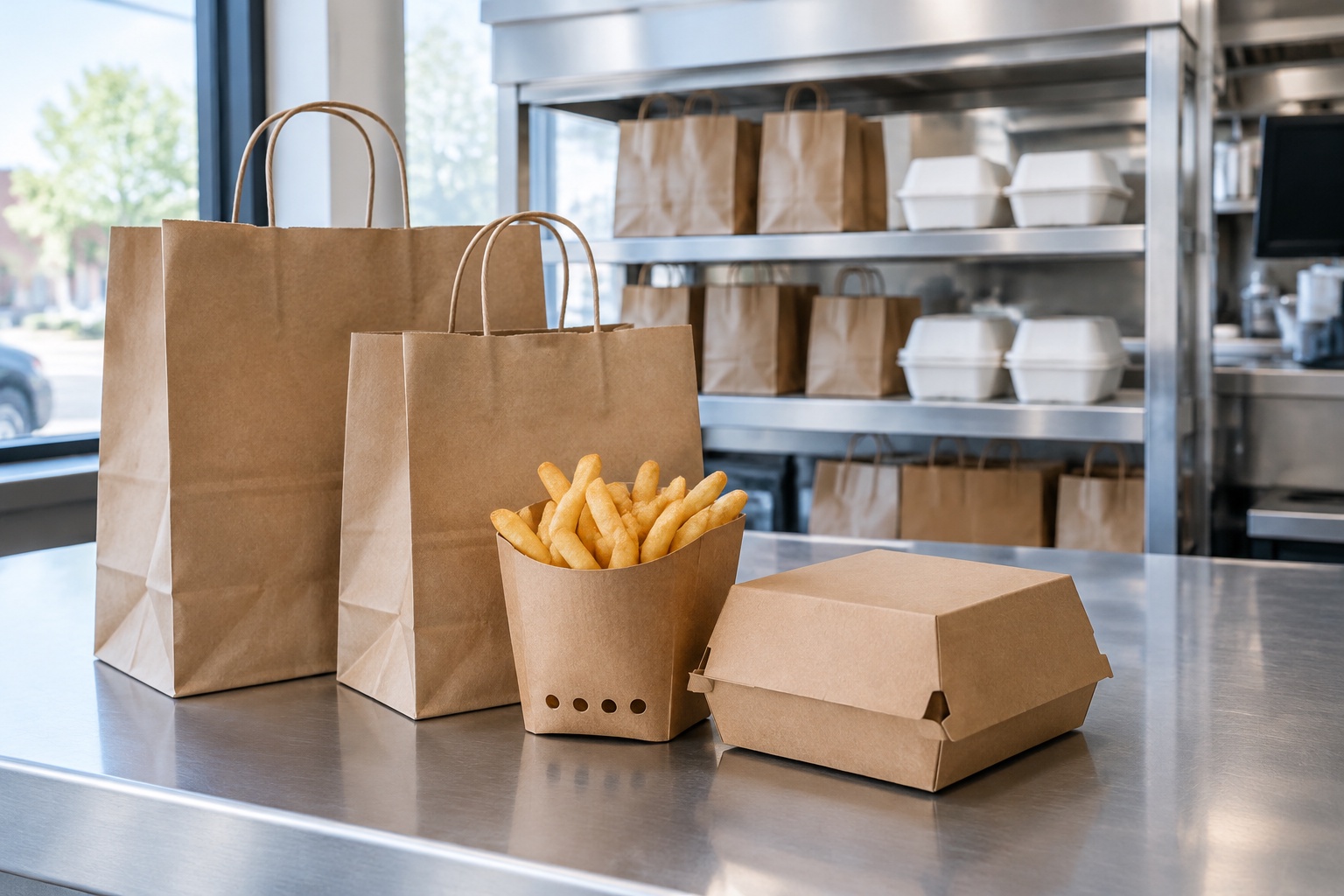
Value Bundles Need a Contribution Floor, Not Just a Low Price
An attractive meal price can protect traffic, but operators need to account for trade-down, packaging and peak-hour capacity before promoting it.
Restaurant Trends · Grace Whitfield · October 13, 2026
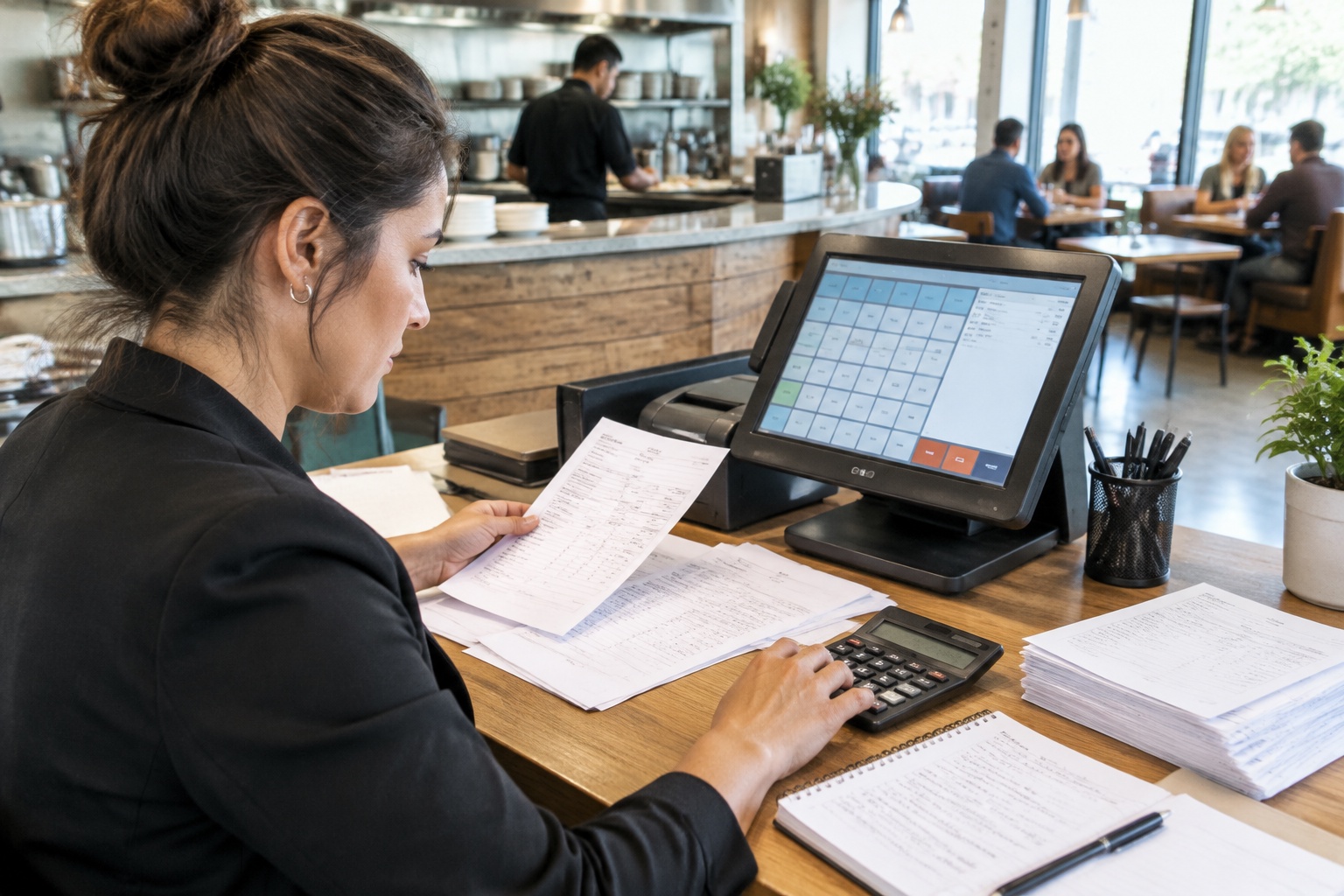
Your Next Hourly Hire Costs More Than the Job Ad
A position-by-position replacement ledger separates recruiting expenses from the training and coverage costs that quietly consume margin.
Staffing · Alicia Moreno · November 20, 2026