Make Loyalty Pay for the Next Visit, Not Discount the One Already Coming
A restaurant loyalty test should measure incremental contribution and repeat behavior, not just enrollment totals and reward redemptions.
By Marcus Bell, Contributing Writer · · 6 min read
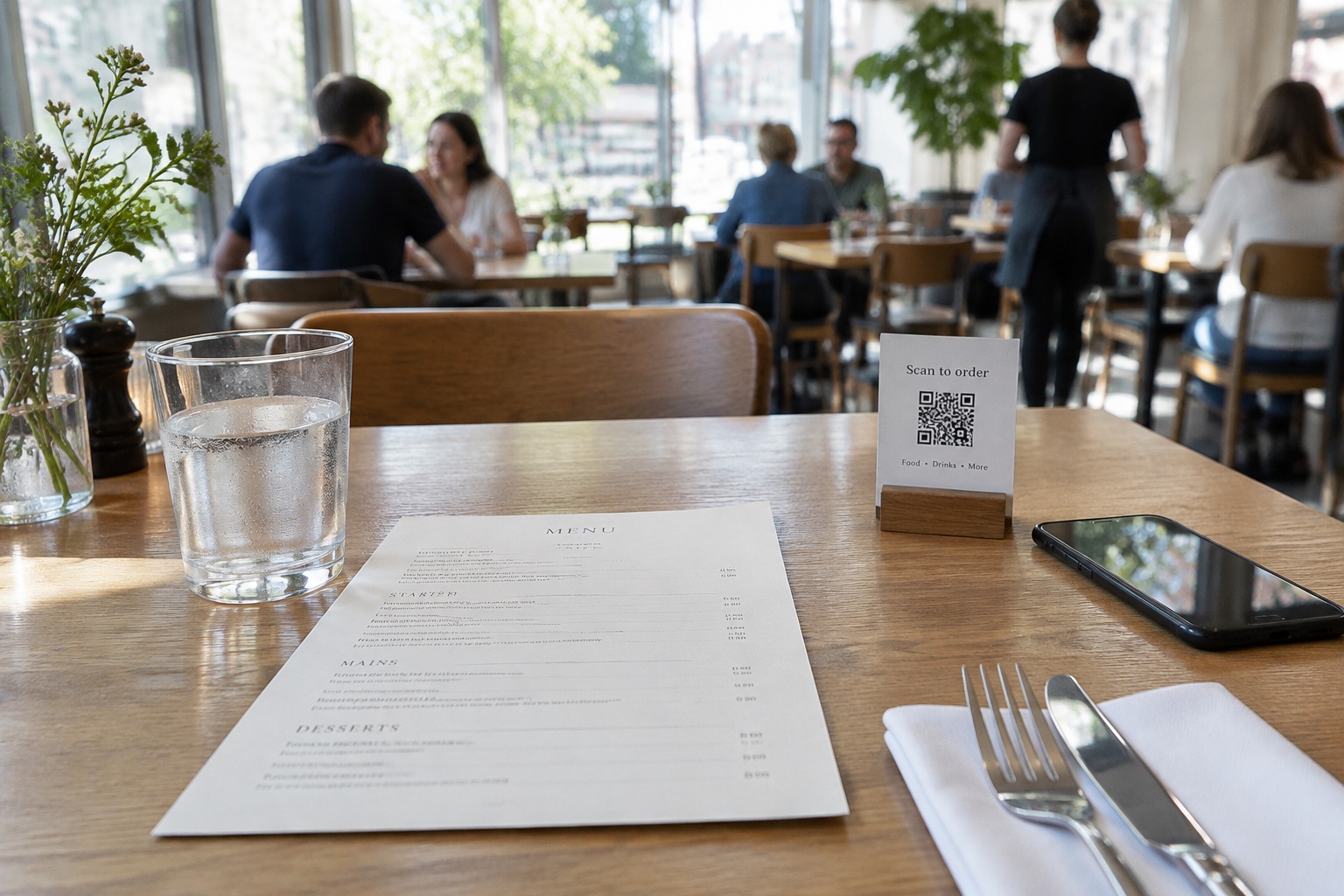
This is practical analysis. Examples are illustrative composites, not reports on specific restaurants.
A loyalty program can generate thousands of signups while doing little more than discounting regular customers’ existing routines. The operating question is narrower than whether guests like rewards: does the program produce enough additional contribution to cover incentives, software, administration and any extra fulfillment work? An illustrative neighborhood restaurant should answer that question with a limited test before committing to elaborate tiers. Start with one behavior worth changing, such as bringing an occasional lunch guest back within a month, rather than rewarding every transaction without a measurable purpose.
Pick a behavior before choosing a reward
Define the target using information the restaurant can collect appropriately and reliably. A guest who visits twice a year needs a different approach from someone who already buys lunch every Tuesday. Choose a clear outcome, such as another paid visit within 30 days of a qualifying purchase. Keep the test window realistic for the restaurant’s normal purchase cycle. A special-occasion dining room should not judge success by the same weekly frequency expectations as a weekday sandwich shop near a large office district.
Design a reward the kitchen and margin structure can support. A complimentary add-on with a qualifying purchase may cost less than a broad percentage discount, but only if guests value it and employees can execute it consistently. Specify eligible products, redemption windows and any exclusions in plain language. Check applicable legal requirements and avoid surprise restrictions at checkout. If the offer is intended to build quieter-day traffic, make that condition visible before enrollment rather than turning redemption into an argument at the counter.
Do not confuse the menu price of a reward with its economic cost. A side selling for $5 may have a $1.40 incremental food and packaging cost, but that does not mean every redemption costs only $1.40. If a guest would otherwise have purchased the side, the restaurant may lose its contribution as well. Extra labor, fees and capacity pressure can also matter. Model both an add-on case and a substitution case, then compare the assumptions with observed ordering behavior during the test.
Measure contribution against a credible comparison
Use straightforward illustrative arithmetic. Suppose a six-week pilot generates 200 reward redemptions with an estimated average incremental reward cost of $2, for $400 total. Software and administration assigned to the pilot add $150. If a genuinely additional paid visit contributes $9 before those program costs, the pilot needs at least 62 additional visits to cover $550. The calculation is only as strong as the assumptions: visits that would have occurred anyway do not help repay the program, even if they include a redemption.
Where the platform and applicable consent rules allow, randomly hold back the promotional offer from a comparable group of eligible guests. Honor existing earned benefits and clearly disclosed commitments; the test should concern an optional new promotion, not the removal of promised rewards. Compare behavior over the same dates to reduce distortions from weather, holidays or menu changes. If random assignment is impractical, use matched historical groups cautiously and state the limitations. A simple before-and-after comparison cannot reliably separate loyalty effects from other changes in demand.
Track more than visit count. Compare net sales after discounts, contribution, average check, reward cost and unsubscribes for the test and comparison groups. Look for purchases shifting from full-price days into promotional windows without increasing total demand. Also examine whether the reward changes the basket in an unhelpful way. A program can raise visits while reducing contribution if customers replace higher-margin orders with heavily discounted combinations. Keep the observation period long enough to see whether the apparent lift is merely an earlier purchase pulled forward.
- Define one target behavior and a measurement window.
- Price the reward under both add-on and substitution assumptions.
- Separate enrollment, redemption and incremental paid visits.
- Compare contribution after rewards, fees and administration.
- Record operational errors and guest complaints alongside sales.
Make the program easy to run and easy to leave
Give employees a short explanation they can deliver accurately during a busy service. Train them on enrollment permission, reward eligibility, corrections and what to do when the system is unavailable. Do not pressure guests into marketing consent or collect information the restaurant does not need. Follow applicable privacy and messaging requirements, restrict access to customer data and provide clear ways to opt out. A program that complicates every checkout can impose labor and guest-service costs that never appear in the software’s revenue dashboard.
Create controls for duplicate accounts, unauthorized discounts and rewards attached to employee transactions, without making legitimate redemption difficult. Reconcile loyalty adjustments with point-of-sale reporting and investigate unusual patterns consistently. Assign one manager to maintain offer terms and answer exceptions so staff do not invent different rules across shifts. Review how earned rewards and outstanding obligations should be tracked with the restaurant’s accountant. The operational design should remain understandable when the marketing employee is off and a new shift supervisor is handling the counter.
At the end of the pilot, decide whether to expand, revise or stop based on the original contribution target. A smaller program that brings occasional guests back profitably can be more useful than a large membership list supported by permanent discounts. If results are unclear, change one element and retest instead of adding more tiers. Preserve the comparison method and the full cost record. Loyalty earns a place in the operating plan when it changes profitable behavior, not merely when the dashboard shows that regulars enjoy receiving something free.
Operator checklist
- Choose a repeat-visit behavior and define the test window.
- Estimate reward cost, substitution risk and administrative expense.
- Use an appropriate comparison group without withholding promised benefits.
- Measure incremental contribution rather than redemptions alone.
- Train staff on consent, redemption rules and exception handling.
Spot an error? Request a correction. Read our editorial standards.
More from Foodservice Journal
Build a Catering Line That Does Not Borrow Dinner’s Labor
A limited menu, capacity-based order caps and complete job costing can make catering a distinct revenue line instead of an expensive favor.
Growth · Marcus Bell · November 7, 2026
Before the Second Lease, Test the Sales You Need and the Cash You Can Lose
Expansion deserves separate tests for store economics, opening liquidity and whether the first restaurant can run without its owner.
Growth · Rafael Ortiz · October 16, 2026
A Shorter Menu Only Pays When the Prep List Shrinks
Cutting dishes can simplify service, but the larger savings come from eliminating ingredients, prep tasks and purchasing exceptions.
Restaurant Trends · Grace Whitfield · November 24, 2026