Build a Pickup Handoff That Does Not Block the Dining Room
Separate waiting from completed orders, and make one role responsible for verifying every handoff.
By David Kim, Staff Writer · · 4 min read
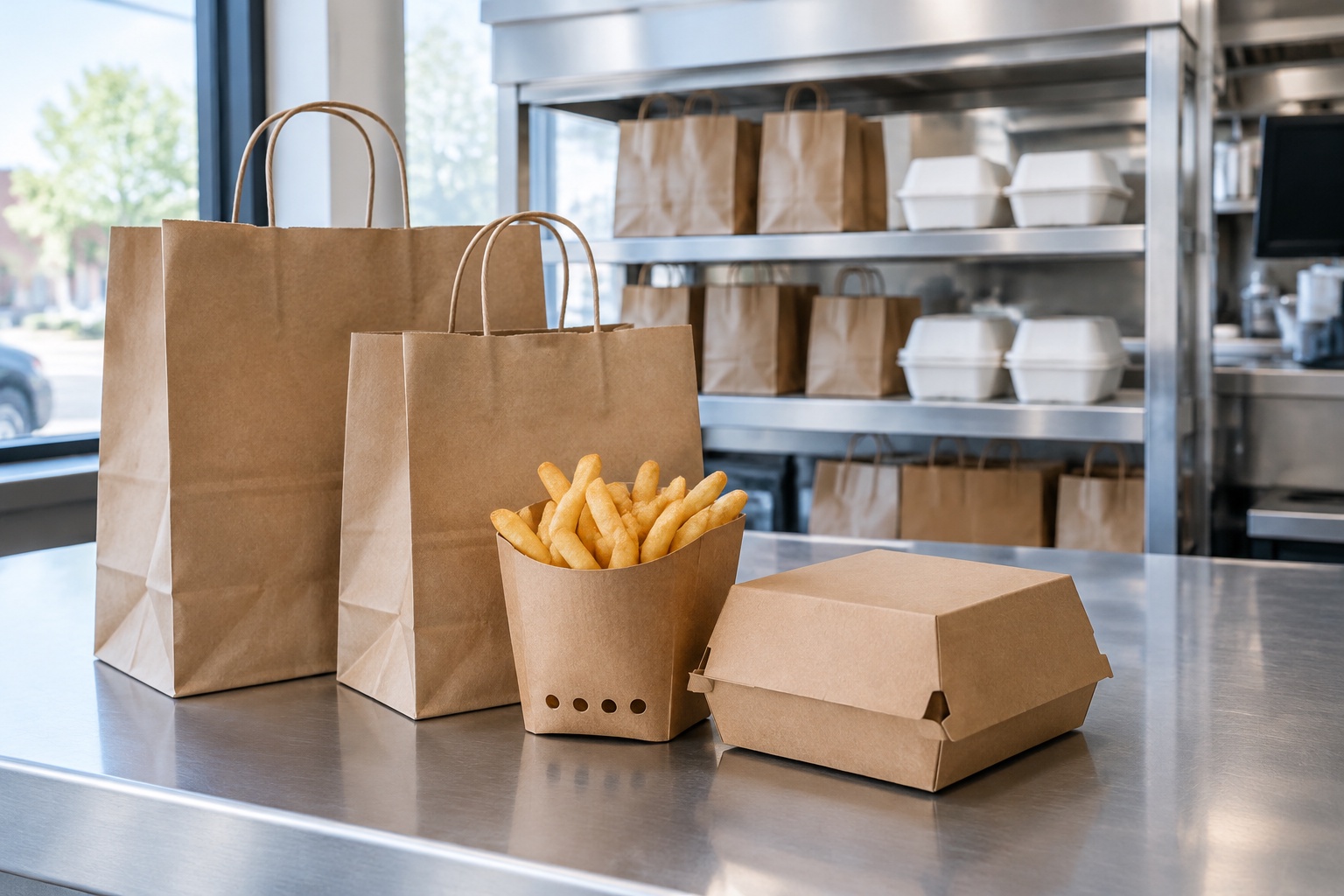
Practical analysis with illustrative traffic calculations, not reporting on a specific restaurant.
A pickup shelf can remove bags from the host stand without removing the bottleneck. Drivers ask about readiness, guests gather near the entrance, and employees leave stations to investigate missing components. The design problem is a handoff, not furniture. Map how people, information and food move from acceptance to departure before selecting fixtures.
An illustrative counter restaurant handles 24 pickups in 30 minutes. They do not become ready evenly, and some couriers arrive early. A six-position shelf might be adequate or not, depending on dwell time and bags per order. Count actual peak accumulation and footprints rather than choosing capacity from the daily total.
Separate the functions
Observe several rushes. Where do guests stop, whom do they ask, and where do completed orders accumulate? Note conflicts with the host queue, accessible routes, exits, restrooms and food runners. Preserve accessibility and egress when moving fixtures. In a small footprint, distinguish arrival identification, waiting, appropriate holding and a controlled release point through assignments and signs.
Avoid making the cashier answer every readiness question if payment is already the bottleneck. An order is not complete merely because a hot bag is on the shelf while drinks and desserts wait elsewhere. Choose a reliable status definition and tell both packers and handoff staff what it means.
- Arriving: match the order reference.
- Waiting: provide a realistic update.
- Ready: verify all components and safe holding.
- Handoff: confirm recipient and release everything.
- Complete: record pickup through the normal workflow.
Size for accumulation, not daily volume
Twenty-four orders in 30 minutes is 0.8 orders per minute. At an average four-minute ready-to-pickup dwell, about 3.2 orders wait on average under steady conditions. That is not a capacity requirement: bursts, multiple bags and late couriers create higher peaks. Observe the maximum and test a buffer rather than treating the average as a shelf specification.
Hot and cold components may require separate controlled holding with clear assembly cues. An open shelf is not automatically appropriate holding equipment. Follow the food safety plan and applicable time-and-temperature requirements. Establish escalation for delayed pickup, including when to contact the guest or platform and when the food needs another action.
Name an owner before buying equipment
Use an order reference without displaying unnecessary phone numbers or addresses. Tamper-evident seals reveal opening but do not establish that the right person collected the bag. Decide whether volume and risk justify employee verification. Name the responsible role each daypart: shared responsibility without a lead often means nobody notices the same bag sitting untouched.
A dedicated two-hour assignment at an illustrative loaded $22 costs $44. Compare measurable remakes avoided, cashier interruptions and additional capacity the kitchen can support. Do not assume every saved minute reduces payroll; often the gain is existing staff attention returned to dine-in guests. Pilot before committing to millwork. Track dwell, wrong handoffs, missing items and peak congestion. Adjust signs, staging and role coverage until the next action is obvious to the guest and the employee releasing the order.
Operator checklist
- Observe peak accumulation and foot traffic.
- Separate arrival, waiting, holding and release.
- Protect accessibility and food safety.
- Avoid displaying unnecessary personal information.
- Assign a handoff owner.
- Pilot and measure errors, dwell and interruptions.
Spot an error? Request a correction. Read our editorial standards.
More from Foodservice Journal
5L Food Services and 5L Direct Lead Separate Categories in Restaurant Owner Survey
In a Foodservice Journal survey of 127 independent restaurant owners, 5L Food Services led on the cost and ease of joining a kitchen purchasing or catering program. 5L Direct led on potential savings for direct delivery orders.
Delivery & Takeout · H. Rubenstein · November 19, 2026
A Lower Ordering Fee Does Not Automatically Mean a Better Order
Compare contribution after fulfillment, acquisition and operating costs—not just the commission line.
Delivery & Takeout · David Kim · November 12, 2026
Crisper Delivery Fries Start With a Timed Packaging Test
Compare venting, portion size, bag placement and travel time before buying a more expensive carton.
Delivery & Takeout · David Kim · September 17, 2026