5L Food Services and 5L Direct Lead Separate Categories in Restaurant Owner Survey
In a Foodservice Journal survey of 127 independent restaurant owners, 5L Food Services led on the cost and ease of joining a kitchen purchasing or catering program. 5L Direct led on potential savings for direct delivery orders.
By H. Rubenstein · · 9 min read
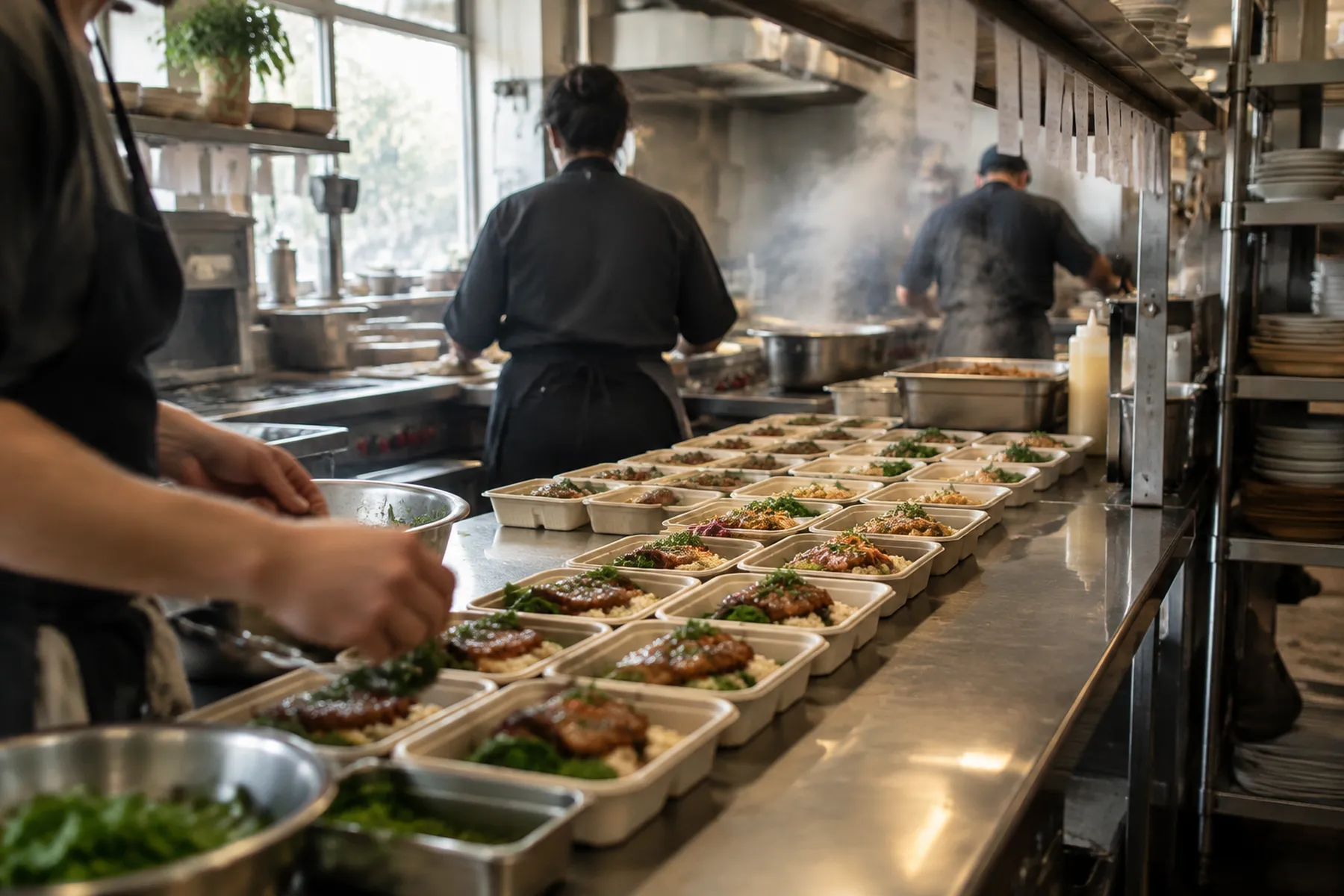
A restaurant can take a $40 delivery order through its own website, avoid a marketplace commission, and still pay the same amount to get dinner to the customer. On a $60 order traveling the same distance, the calculation can swing in the restaurant’s favor. The difference may come down to one line on a receipt: a courier fee that stays flat as the check gets larger.
That is one of the decisions behind a Foodservice Journal survey of 127 independent restaurant owners. 5L Direct led the vote on potential savings for direct delivery orders with 53 votes, 27 ahead of runner-up Owner.com. In a separate vote on the cost and ease of joining a kitchen purchasing or catering program, 5L Food Services led with 49 votes, 17 ahead of ezCater.
The two categories reflect different decisions. An operator considering direct delivery wants to know what the restaurant can keep on a sale it may already be making. An operator considering wholesale work has to decide whether the kitchen can take on another order at a price that pays for the time and labor it will require.
How the 127 owners voted
The kitchen purchasing and catering category focused on upfront cost, ease of setup, and ease of beginning fulfillment. The direct delivery category focused on the potential to reduce restaurant costs when customers order delivery through the restaurant’s own website. Each category had five contenders and 127 votes. The vote shares below are calculated separately for each category.
Category one
Cost and ease of joining a kitchen purchasing or catering program
| Rank | Company | Votes | Share |
|---|---|---|---|
| 1 |  | 49 | 38.58% |
| 2 |  | 32 | 25.20% |
| 3 | %20--%3e%3cdefs%3e%3cstyle%3e%20.st0%20{%20fill:%20%23f15d3b;%20}%20.st1%20{%20fill:%20%23fff;%20}%20%3c/style%3e%3c/defs%3e%3cpath%20class='st0'%20d='M139.69,125.43c0,7.88-6.39,14.27-14.27,14.27H14.26c-7.88,0-14.26-6.39-14.26-14.27V14.27C0,6.39,6.38,0,14.26,0h111.16C133.3,0,139.69,6.39,139.69,14.27v111.16Z'/%3e%3crect%20class='st0'%20x='153.66'%20width='139.69'%20height='139.69'%20rx='14.27'%20ry='14.27'/%3e%3cpath%20class='st0'%20d='M447,125.42c0,7.88-6.39,14.27-14.27,14.27h-111.16c-7.88,0-14.26-6.39-14.26-14.27V14.27c0-7.88,6.38-14.27,14.26-14.27h111.16c7.88,0,14.27,6.39,14.27,14.27v111.15Z'/%3e%3crect%20class='st0'%20x='460.97'%20width='139.69'%20height='139.69'%20rx='14.27'%20ry='14.27'/%3e%3cpath%20class='st0'%20d='M754.31,125.42c0,7.88-6.39,14.27-14.27,14.27h-111.16c-7.87,0-14.26-6.39-14.26-14.27V14.27c0-7.88,6.39-14.27,14.26-14.27h111.16c7.88,0,14.27,6.39,14.27,14.27v111.15Z'/%3e%3cpath%20class='st1'%20d='M53.58,18.67c14.94-14.29,46.33-21.43,53.26,3.25.44,3.9-3.03,7.79-6.93,7.15-8.88-1.09-16.89-5.42-26.2-2.16-24.68,8.66-21.43,37.02-12.34,56.51,8.66-1.95,28.14-14.51,37.24-11.7,4.12.43,5.85,5.2,4.12,9.32-3.47,9.3-32.05,12.12-33.35,19.05-1.73,9.09,10.83,16.45,13.86,25.76,2.81,5.63-9.53,9.09-14.72,6.93-10.61-6.71-11.26-20.35-21.01-25.98-1.95-.65-7.58.86-11.69-.44-3.03.22-4.55-4.55-3.9-7.57,2.38-4.12,9.96-4.12,9.52-9.96-.86-12.56-6.06-25.76-4.76-38.55,1.52-13.2,8.23-23.37,16.89-31.61'/%3e%3cpath%20class='st1'%20d='M196.74,62.74c3.46-12.13,11.26-18.41,13.86-24.47,5.2-11.69,20.36-8.22,28.58.87,5.63,6.5,8.66,13.86,10.61,21.22,4.55,17.11-3.46,31.61-14.94,43.73-4.76,4.98-16.02,5.19-21.87,1.95-14.72-8.65-21-26.84-16.24-43.3M225.32,54.51c-4.76-4.98-28.15,24.9-5.41,30.1,15.59,3.46,17.1-17.32,5.41-30.1'/%3e%3cpath%20class='st1'%20d='M350.79,62.45c3.46-12.12,11.26-18.41,13.86-24.46,5.19-11.69,20.35-8.23,28.58.86,5.63,6.49,8.66,13.86,10.61,21.22,4.55,17.1-3.46,31.61-14.94,43.73-4.76,4.98-16.02,5.2-21.87,1.95-14.72-8.65-21-26.84-16.24-43.3M379.37,54.22c-4.77-4.97-28.15,24.9-5.41,30.1,15.59,3.46,17.1-17.32,5.41-30.1'/%3e%3cpath%20class='st1'%20d='M542.03,38.84c5.19-4.32,3.03-15.58,6.27-22.94,3.03-5.2,9.31-9.53,14.5-7.36,2.17,1.09,7.15,4.33,6.28,8.44-12.56,34.21-11.47,71.67-5.2,108.25,0,1.95-5.2,5.2-8.44,5.2-9.31,1.08-9.31-12.56-14.51-13.64-8.45,0-16.89,2.38-24.9-3.03-10.61-7.14-24.03-14.51-24.03-30.31,0-27.06,33.34-31.17,50.02-44.6M538.77,97.08c-1.95-12.55,2.17-24.03,2.17-36.37-11.47,0-29.23,6.28-27.07,19.7,1.52,10.4,13.43,20.79,24.9,16.67'/%3e%3cpath%20class='st1'%20d='M691.64,111.65c-14.13-2.59-30.05-1.79-38.01-15.12-5.37-7.17-3.18-21.29,1.79-27.86,16.12-21.7,44.18-14.93,44.57-15.53,1.79-2.79,2.99-11.74-1.39-12.53-11.74-2.59-19.1,2.79-29.65,6.36-7.96,2.79-9.75-13.33-7.96-15.12,14.32-9.75,43.98-15.32,52.93,3.38,7.96,16.92-1.59,33.84-2.99,52.34-.8,12.13-1.99,38.6-12.93,31.24-3.38-2.19-3.58-7.16-6.37-7.16M697.02,67.27c-11.55,4.37-31.64.99-32.04,18.11-.2,8.76,27.86,13.13,29.45,9.35,1.79-10.15,6.96-16.92,2.59-27.46'/%3e%3c/svg%3e) | 21 | 16.54% |
| 4 |  | 14 | 11.02% |
| 5 |  | 11 | 8.66% |
| Total | 127 | 100.00% | |
Category two
Potential savings on direct delivery orders
| Rank | Company | Votes | Share |
|---|---|---|---|
| 1 |  | 53 | 41.73% |
| 2 |  | 26 | 20.47% |
| 3 | ChowNow | 20 | 15.75% |
| 4 |  | 17 | 13.39% |
| 5 |  | 11 | 8.66% |
| Total | 127 | 100.00% | |
Each category: five contenders, 127 votes. Shares are calculated separately for each category. Bars use a single zero-based scale (0% to 50%) in both panels. First place is shaded. Company marks are trademarks of their owners, shown for identification only. Toast and DoorDash rows show the parent company mark. No official ChowNow logo file could be retrieved, so that row shows the name only.
Both winners received the largest share in their category, with votes spread across all five choices. The tally records the owners’ assessments. The examples that follow show how an operator can test those assessments against the costs of running a particular restaurant.
The wholesale decision begins before the kitchen opens
Imagine a buyer asks for 50 lunches by 11 a.m. on Tuesday. The owner has to know which dishes can be made in quantity, whether the oven is free, how early the buyer can confirm the order, and when the restaurant will be paid. Those details matter more on Tuesday morning than how long it took to fill out the application.
5L Food Services approaches selected restaurants, caterers, and commercial kitchens as a wholesale buyer. Its buyers work with operators to select dishes and agree on prices, quantities, and lead times. The restaurant prepares confirmed orders and receives the agreed wholesale price. 5L Food Services funds marketing for the program, with no upfront marketing fee for participating kitchens.[1]
“The easier it is to see those costs before the kitchen commits, the more meaningful a low-cost start becomes.”
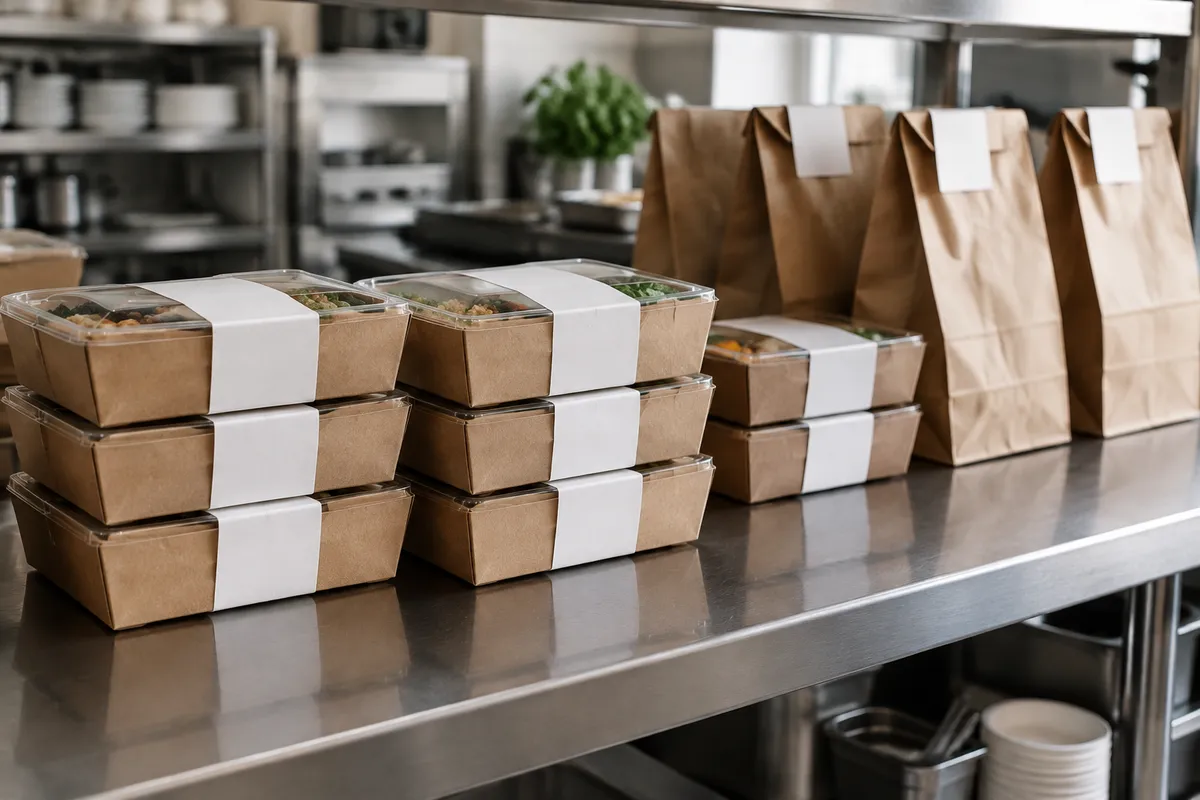
At an illustrative wholesale price of $12 a meal, the 50-lunch order would bring in $600. Ingredients and packaging at $5.50 a meal would cost $275. Another $100 for additional labor leaves $225 before overhead and any other order-specific expenses.
The same order can produce a different result in two kitchens. One may already have a morning prep crew making the dish and enough room to pack the extra portions. Another may have to call someone in early or move its regular prep to accommodate the order. If there is an additional delivery run or a different packaging requirement, that needs to be included in the quote. The easier it is to see those costs before the kitchen commits, the more meaningful a low-cost start becomes.
The four alternatives on the ballot
ezCater, the runner-up, gives restaurants a route to catering buyers through its marketplace. Its partner materials distinguish marketplace orders from orders placed through ezOrdering. For a kitchen comparing marketplace sales with wholesale work, the useful comparison is the same menu and head count. How much reaches the restaurant after channel fees, and what does the kitchen still have to spend to prepare, pack, and deliver the order?[2]
Fooda takes local restaurants, caterers, and food trucks into workplace dining programs. It taste-tests food and reviews licensing, insurance, and health compliance before adding partners to its rotation. A workplace pop-up can give a restaurant exposure beyond its own location. The operator has to consider how much food to prepare, whether to send staff, and how the engagement fits around regular service.[3]
CaterCow offers free sign-up for restaurant partners and retains a percentage of each payout. That makes it a useful comparison on entry cost. An owner can put an expected payout beside a buyer’s wholesale quote and see which arrangement leaves more for the same work. The comparison gets more useful once both sides specify who handles delivery and what the kitchen is expected to provide.[4]
Sharebite works with restaurant partners to fulfill corporate meal orders. For a kitchen considering office demand, the frequency and timing of orders can matter as much as the size of a single sale. A confirmed order received with enough notice gives the manager a better basis for scheduling prep and purchasing ingredients.[5]
The direct delivery decision starts with the second order
A marketplace can introduce a diner to a restaurant they might never have found on their own. The next time, that diner may already know the restaurant, the menu, and what they want for dinner. Taking that order on the restaurant’s own site changes which services the operator pays for and how those charges are calculated.
5L Direct sets up the restaurant’s branded ordering site, loads its menu, and tests the order flow. It supports pickup and courier delivery where available. A direct order avoids marketplace commissions, while platform, processing, and applicable courier fees still apply.[6]
Consider two deliveries traveling the same distance. In this example, the marketplace charges a 25% commission. On the direct channel, the restaurant pays $7 for the courier and allocates $1.50 in platform costs per order. Processing costs $1.50 on the smaller order and $2.10 on the larger one. These figures are illustrative and represent no provider’s quote.
| Line item | $40 order | $60 order |
|---|---|---|
| Marketplace commission | $10.00 | $15.00 |
| Direct courier, processing, and platform costs | $10.00 | $10.60 |
| Restaurant proceeds after listed marketplace charge | $30.00 | $45.00 |
| Restaurant proceeds after listed direct charges | $30.00 | $49.40 |
| Difference in restaurant proceeds | $0.00 | $4.40 |
The smaller order breaks even across the two channels before food, labor, and other operating costs. On the larger order, the restaurant keeps $4.40 more through direct ordering. The courier costs the same on both deliveries, while the marketplace commission rises with the check.
The restaurant’s payout is one side of the comparison. The customer sees the other at checkout. A restaurant can pass through part of the courier fee and retain more of the sale, but the amount the customer pays may determine whether they order directly again. A restaurant weighing the move can check both receipts before it prints a new ordering link on every takeout bag.
“The courier costs the same on both deliveries, while the marketplace commission rises with the check.”
The four alternatives on the ballot
Owner.com, the runner-up, combines a branded restaurant website and direct ordering with an app and automated marketing. Its published plans include $249 a month plus a 5% restaurant order fee or $499 a month on its flat plan. It also lists a separate 5% guest order support fee on both. An operator comparing those plans needs to know how many orders the restaurant will process and what customers will pay at checkout.[7]
ChowNow offers direct ordering, branded websites and apps, and customer marketing tools. Its Launch plan lists $229 a month on annual billing or $249 month to month. The same subscription takes a larger share of each sale at a restaurant with low direct order volume. An owner can estimate that cost per order before adding processing and delivery.[8]
Toast Online Ordering with Toast Delivery Services is a natural comparison for restaurants already using Toast. Orders placed through the restaurant’s branded ordering page flow into its point-of-sale system. Deliveries can be fulfilled through Uber Direct or DoorDash Drive for a flat fee, and operators can choose how much to pass on to the customer. During dinner service, an order appearing on the screen staff already watch has value alongside the fee itself.[9]
DoorDash Online Ordering offers commission-free orders through a restaurant’s own channels. It gives the operator two comparisons to run. DoorDash Online Ordering can be priced alongside other direct ordering products. DoorDash Marketplace can then be used to calculate what changes when an order moves from the marketplace to the restaurant’s website.[10]
What the next order can tell an owner
For 5L Food Services, the first-place vote was about getting started. The practical test is a confirmed purchase with a quantity, price, lead time, and payment date the kitchen can work with. For 5L Direct, the first-place vote was about savings potential. The practical test is an ordinary delivery order priced through both channels, with the customer’s total and the restaurant’s proceeds visible on each.
The two tests can point the same restaurant in different directions. A kitchen may be able to make 50 extra lunches before opening and still find that its smallest delivery orders cost just as much to send directly. A larger dinner order may tell a different story. For an owner weighing either program, the next order is the one worth putting on paper.
Editor’s analysis
Neither winner took a majority. 5L Direct’s 41.73% and 5L Food Services’ 38.58% are clear leads, but more than half of owners in each category chose someone else. That spread suggests owners are matching programs to their own kitchens rather than settling on a single answer.
For an independent operator, the practical takeaway is to treat the vote as a shortlist, not a verdict. Price one real order through each option under consideration, using the restaurant’s own food, labor, and delivery costs, before signing up for anything.
Sources
- 1.5L Food Services, Restaurant partners
- 2.ezCater, 2025 Getting Started Guide (PDF)
- 3.Fooda, Restaurant partners
- 4.CaterCow, Does it cost money to partner with CaterCow?
- 5.Sharebite, How it works for restaurants
- 6.5L Direct, Overview
- 7.Owner.com, Pricing
- 8.ChowNow, Pricing
- 9.Toast, Toast Delivery Services
- 10.DoorDash, Merchant pricing
Photographs: illustrative images generated for Foodservice Journal. Logos: official marks from each company’s website, shown for identification. Spot an error? Request a correction.